

Smart Guitars in 2026: reviewing the best Bluetooth-enabled & MIDI-integrated guitars (and the money behind the movement)
The question isn’t if they work. It’s what they replace.
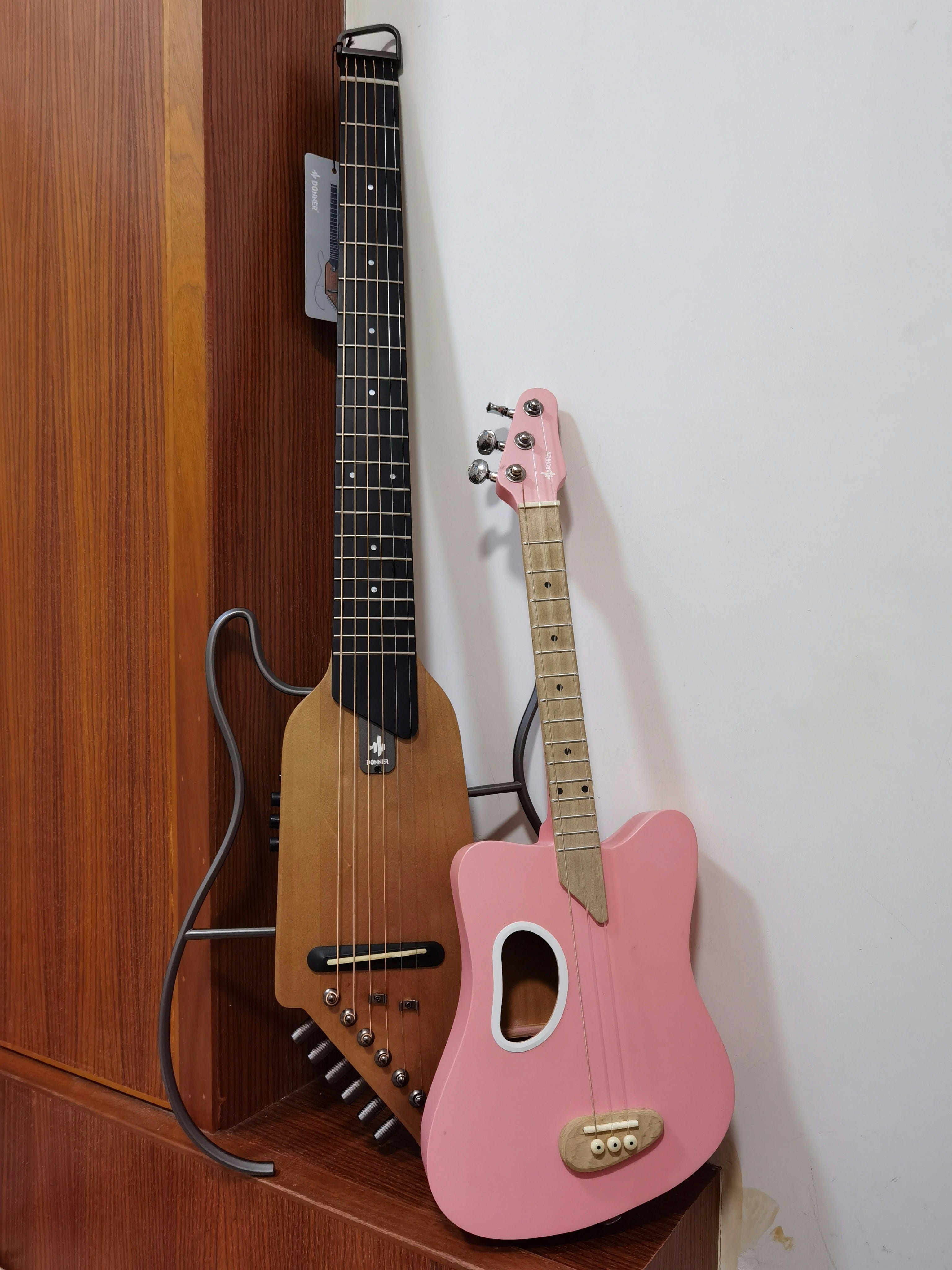
“Smart guitar” used to be a punchline.
A novelty instrument.
A plastic experiment.
A solution in search of a problem.
In 2026, that reputation no longer fits reality.
Smart guitars have quietly split into two serious categories, each solving a very different problem:
Bluetooth-enabled all-in-one guitars
Designed to remove friction from practice, travel, looping, and casual performance.MIDI-integrated guitars
Designed to turn the guitar into a modern controller for synths, DAWs, and hybrid performances.
If you lump these together, you’ll hate most of what you try.
If you understand the distinction, smart guitars suddenly make a lot of sense.
This review follows the same structure as before: use-case first, then tech, then economics because the real question isn’t “Is it cool?”
It’s “Will this actually replace something I already pay for?”
Why smart guitars finally make sense in 2026
Three things changed:
1. Bluetooth stopped being unreliable
Modern Bluetooth LE Audio and improved MIDI-over-Bluetooth stacks dramatically reduced dropouts and pairing friction. You’re no longer gambling every time you connect.
2. Processing moved into the instrument
DSP chips now handle effects, looping, and routing inside the guitar, not in a fragile app chain.
3. Guitarists got older and busier
The fastest-growing buyer segment isn’t teenagers. It’s 30–55 year-old players who want:
faster setup
quieter practice
fewer cables
fewer purchases
That demographic shift matters financially.
The money behind smart guitars (why brands keep building them)
Smart guitars aren’t a niche anymore.
Industry analysts estimate the global “smart instrument” market (including guitars, keyboards, and controllers) is growing at roughly 8–10% CAGR, outpacing traditional instrument growth, which sits closer to 2–3% annually.
Within that:
Bluetooth practice guitars dominate unit volume
MIDI guitars dominate profit margins
Why?
Because smart guitars don’t just sell hardware, they sell ecosystems:
apps
accessories
upgrades
replacement parts
software features
For players, that means one thing:
If a smart guitar survives beyond version 2, it’s because people actually use it.
Category 1: Bluetooth all-in-one smart guitars
(practice, travel, looping, instant inspiration)
These guitars answer one question:
“How do I play more often with less setup?”
What defines this category
Built-in speaker or amplification
Bluetooth audio (backing tracks, jams)
Onboard effects or loopers
Minimal external gear required
You’re not buying tone purity.
You’re buying time and convenience.
