

The Home Studio Revolution
Build a real recording rig for under $300 (and make it sound expensive)
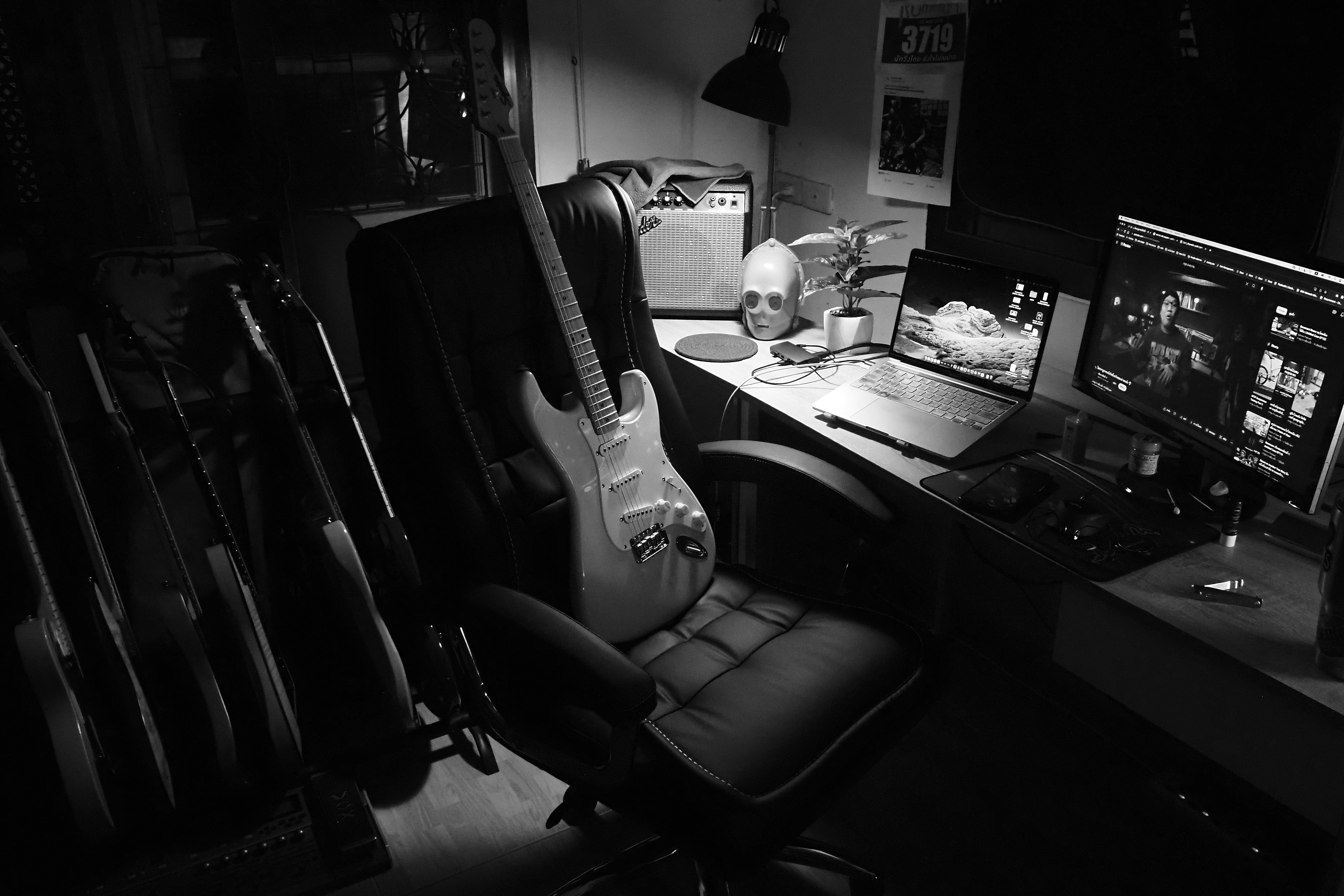
There’s never been a better time to record at home.
Not because you suddenly need a $2,000 microphone or a rack of glowing gear—but because the “minimum viable studio” has gotten ridiculously powerful. For the price of one decent pedal, you can capture vocals, guitars, podcasts, voiceovers, demos, client work, and full songs… with audio that’s clean enough to release.
This post is a blueprint for a professional-feeling setup under $300, with real costs, a few performance metrics that actually matter, and the smartest “quality-per-dollar” moves you can make.
Because the home studio revolution isn’t about buying everything.
It’s about buying the right things once.
The $300 rule: what “professional” actually means
When people say “I want pro quality,” they usually mean:
Low noise (no hiss, hum, or cheap preamp grit)
Stable recording (drivers don’t glitch, monitoring doesn’t lag)
Repeatable results (same sound every time you hit record)
A signal chain you can grow (add gear later without replacing everything)
Good news: you can hit all four without crossing $300.
The trick is understanding where quality comes from.
The real correlation: price ≠ quality… workflow does
Here’s the pattern I see over and over:
A $60 interface + decent mic placement + a treated corner will beat
A $600 interface + bad mic placement + a reflective room
Room acoustics and mic technique compound harder than gear upgrades. Gear matters, but workflow multiplies.
So we’ll build your rig around:
a stable audio interface,
a mic that flatters real rooms,
monitoring you can trust,
and a few accessories that remove friction.
The Core Budget Rig (under $300)
Below is the “do-most-things-well” setup: vocals + guitar + podcasting + content creation.
1) Audio Interface: Behringer U-Phoria UMC22 — ~$53
This is the little box that turns your microphone/instrument into clean digital audio.
Sweetwater lists the UMC22 at $52.90. (Sweetwater)
MusicRadar’s 2026 budget interface roundup calls it one of the best “under $100” options, with the note that Windows users may need ASIO4ALL rather than a dedicated driver. (MusicRadar)
Why it’s a budget winner:
It gets you XLR mic input, instrument input, direct monitoring, and “good enough” preamps for real work.
If you can stretch a bit later: the Behringer UMC202HD supports 24-bit/192 kHz converters and is a common step-up path. (amazon.com)
