

Tone Is in the Fingers — Or Is It Total Bullsh!t?
The endless war between players who swear gear doesn’t matter and those who spent $4,000 on a pedalboard, and why both sides are kind of right, and completely insufferable.
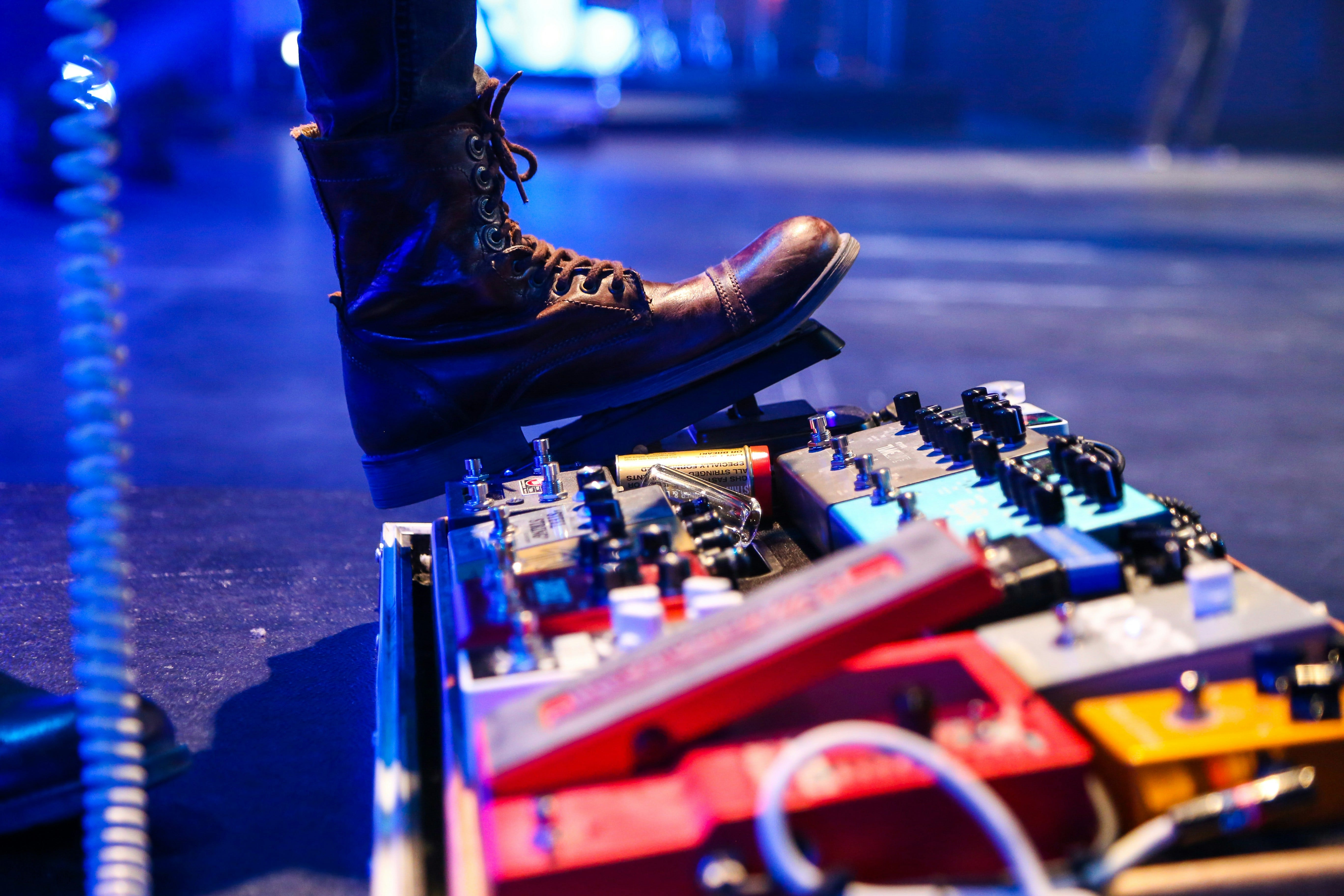
GEAR & CULTURE ·
Picture the scene. A YouTube comment section, circa any year since YouTube existed. Someone posts a demo of a $200 guitar. Within seconds, like moths to a fluorescent tube, they arrive. “Tone is in the fingers,” types one commenter, smug as a cat that has just knocked a mug off a table. “Try doing that on a $79 Walmart starter pack,” fires back another, presumably surrounded by vintage Dumbles and first-year Bursts. And so it begins again: the argument that has outlasted forum platforms, outlasted hair metal, and will likely outlast Western civilization itself.
This is not a frivolous debate. Or rather, it is, intensely and magnificently frivolous, but underneath the posturing and the gaslighting, there is a genuinely interesting question about what makes a guitar player sound like themselves, what gear actually does, and why musicians have such catastrophically complicated feelings about both.
Let’s get into it. Let’s really get into it.
Where the phrase comes from (and how it got weaponized)
No one knows exactly who said “tone is in the fingers” first, which is appropriate, because the phrase has the energy of a saying that evolved rather than was invented. It was distilled from decades of jazz musicians watching each other swap instruments and still sound like themselves. The sentiment is ancient. The argument is modern.
In its purest form, the idea is intuitive and even beautiful: two players, same guitar, same amp, same room, and they sound different. Immediately. Unmistakably. Eric Clapton doesn’t sound like Stevie Ray Vaughan even when playing the same Stratocaster. John Mayer sounds like John Mayer whether he’s on a $10,000 vintage guitar or a demo model he picked up at a trade show. The human being, somehow, is stamped into the sound.
